Your
Building Energy Audit
Solution
At Salvis, we specialise in energy audits for all building types, helping organisations across the United Kingdom cut costs and enhance efficiency. Our experts meticulously review your installed systems and develop a tailored action plan to reduce energy usage, improve building performance, and explore local power generation.
We undertake detailed investigations and provide engineering solutions to reduce costs and carbon emissions, working with both public and private sector clients nationwide.
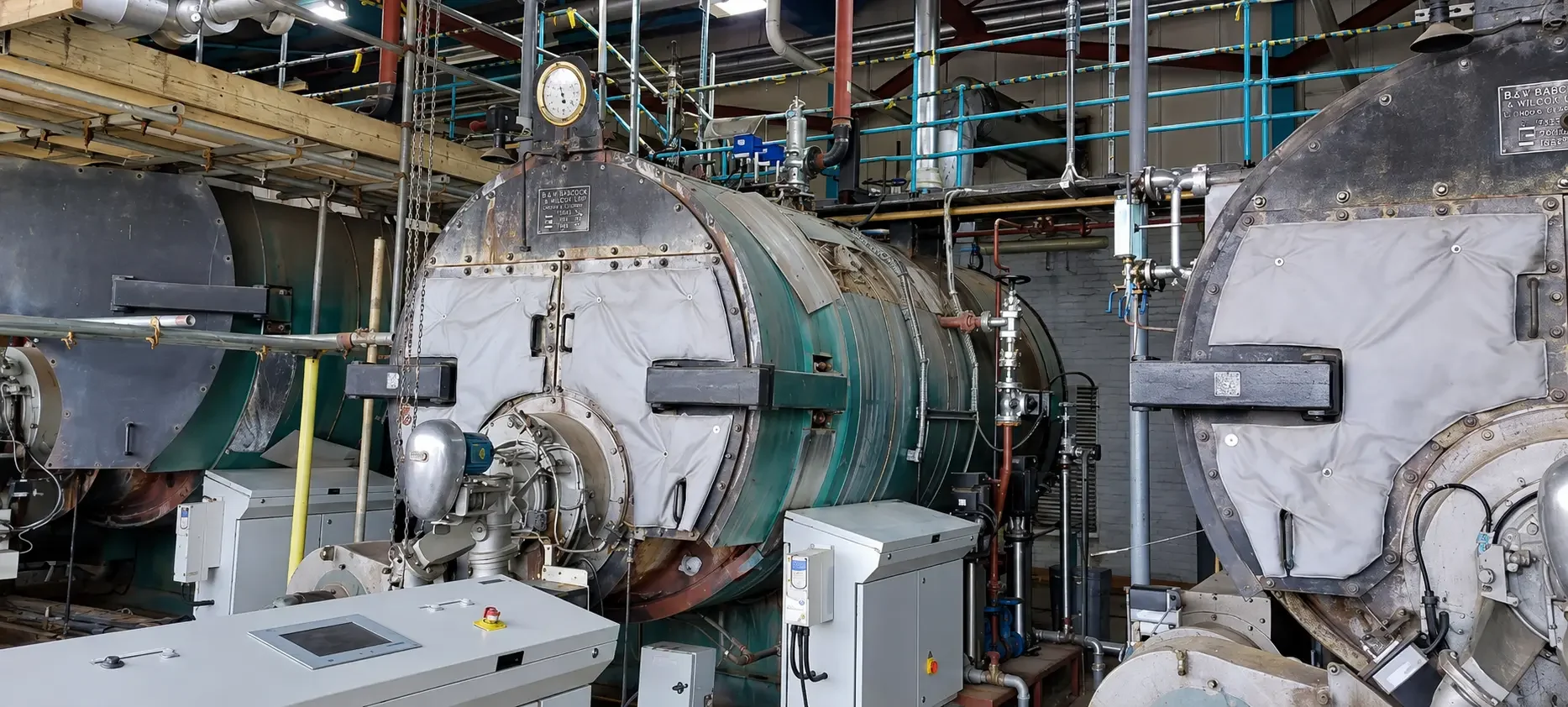
Energy Audits & Feasibility
- LED lighting solutions
- Renewable energy modelling
- BMS audits to optimise control strategies
- HVAC upgrades
- Building fabric improvements
- District heating network feasibility
- Staff training on efficient building use
- Invoice and energy data reviews
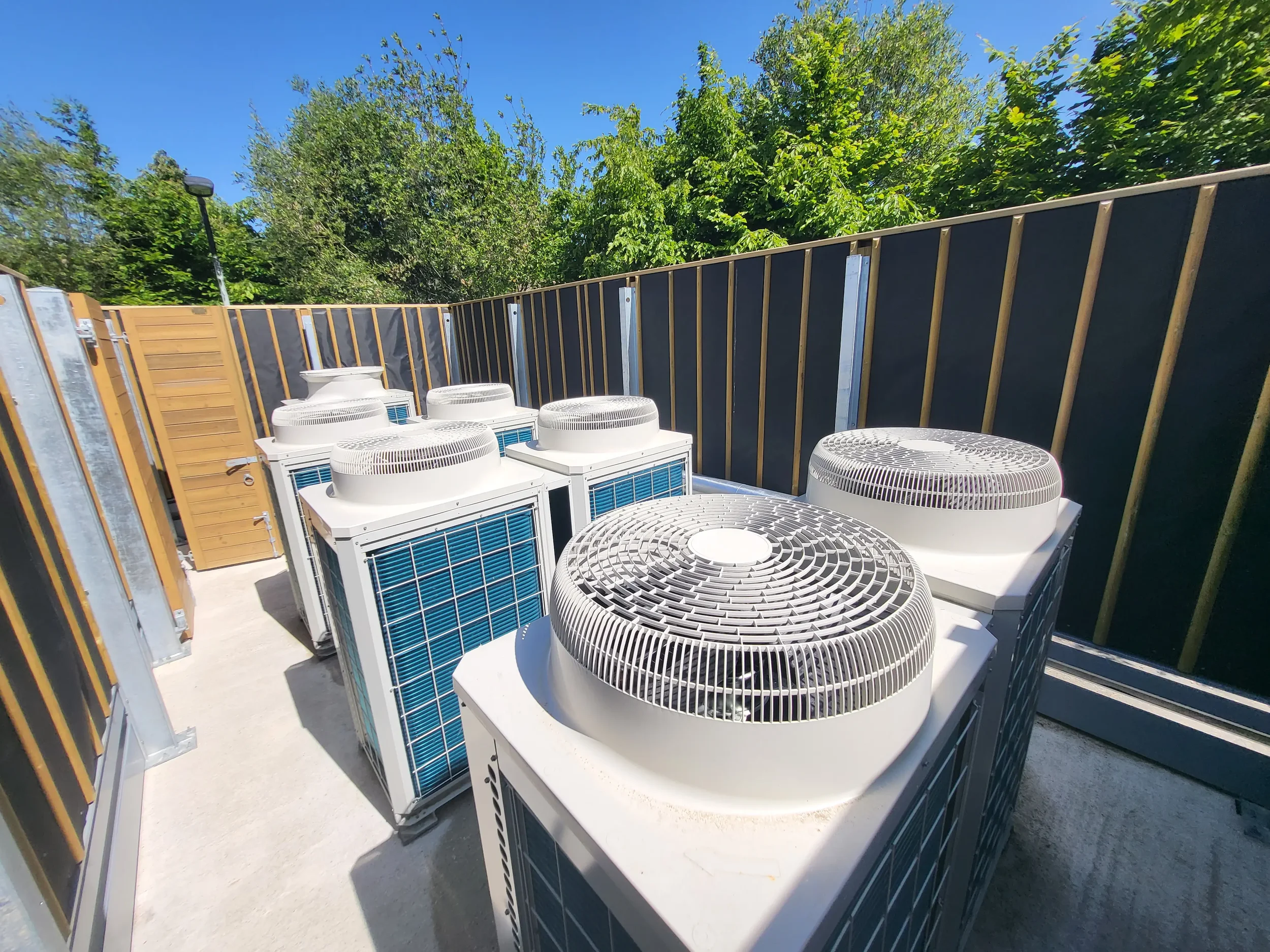
Heat Decarbonisation Plans
A Heat Decarbonisation Plan (HDP) is a practical, engineering-led roadmap that shows how your buildings can switch from fossil fuel heating to low-carbon alternatives.
It provides:
- A clear understanding of your current energy use and carbon emissions
- An assessment of low-carbon heating options, such as heat pumps or heat networks
- A phased delivery plan with capital costs, carbon reductions, operational costs, risks and priorities
The result is a deliverable, fundable strategy that takes organisations from ambition to implementation, and supports grant applications.
Frequently asked questions
What is the difference between a building energy audit and a Heat Decarbonisation Plan?
A building energy audit is a broad review of your building's energy use, systems, and performance. It identifies where energy is being wasted and recommends practical improvements across lighting, heating, ventilation, controls, and renewable generation. A Heat Decarbonisation Plan is more focused. It specifically maps out how your building can transition away from fossil fuel heating to low-carbon alternatives like heat pumps or heat networks, with a phased delivery plan, capital costs, and carbon savings. Often the audit comes first and the HDP follows as the next step for buildings where heating is the biggest opportunity.
How does a building energy audit help with funding applications?
Most public sector grant schemes, including the Public Sector Decarbonisation Scheme and NHS Energy Efficiency Fund, require detailed feasibility studies and evidence of potential savings before they will award funding. A building energy audit provides exactly that. It gives you the data, carbon projections, and cost analysis needed to build a strong application. Salvis has supported clients in securing significant funding, including using the HDP we developed to support University Hospital Southampton to secure £29 million through the PSDS and helping the Hampshire and Isle of Wight NHS Trust secure £3 million through the National Energy Efficiency Fund.
How long does an energy audit take and will it disrupt building operations?
Most audits take between two and four weeks depending on the size and complexity of the building. The site survey element is typically completed in one to two days and is designed to cause minimal disruption to day-to-day operations. We work around occupancy schedules and operational requirements, which is particularly important in healthcare, education, and leisure settings where buildings need to remain fully operational throughout.