
Your
net Zero
Solution
For millions of years, the natural world has thrived because of balance. Since the Industrial Revolution, humans have been adding CO₂ to the atmosphere faster than it can be removed. The problem is amplified because we continue to remove nature's carbon sink, vegetation, and trees.
Leading experts agree that we need to make significant changes immediately, or the damage to the earth will be irreversible.
Net Zero Plans
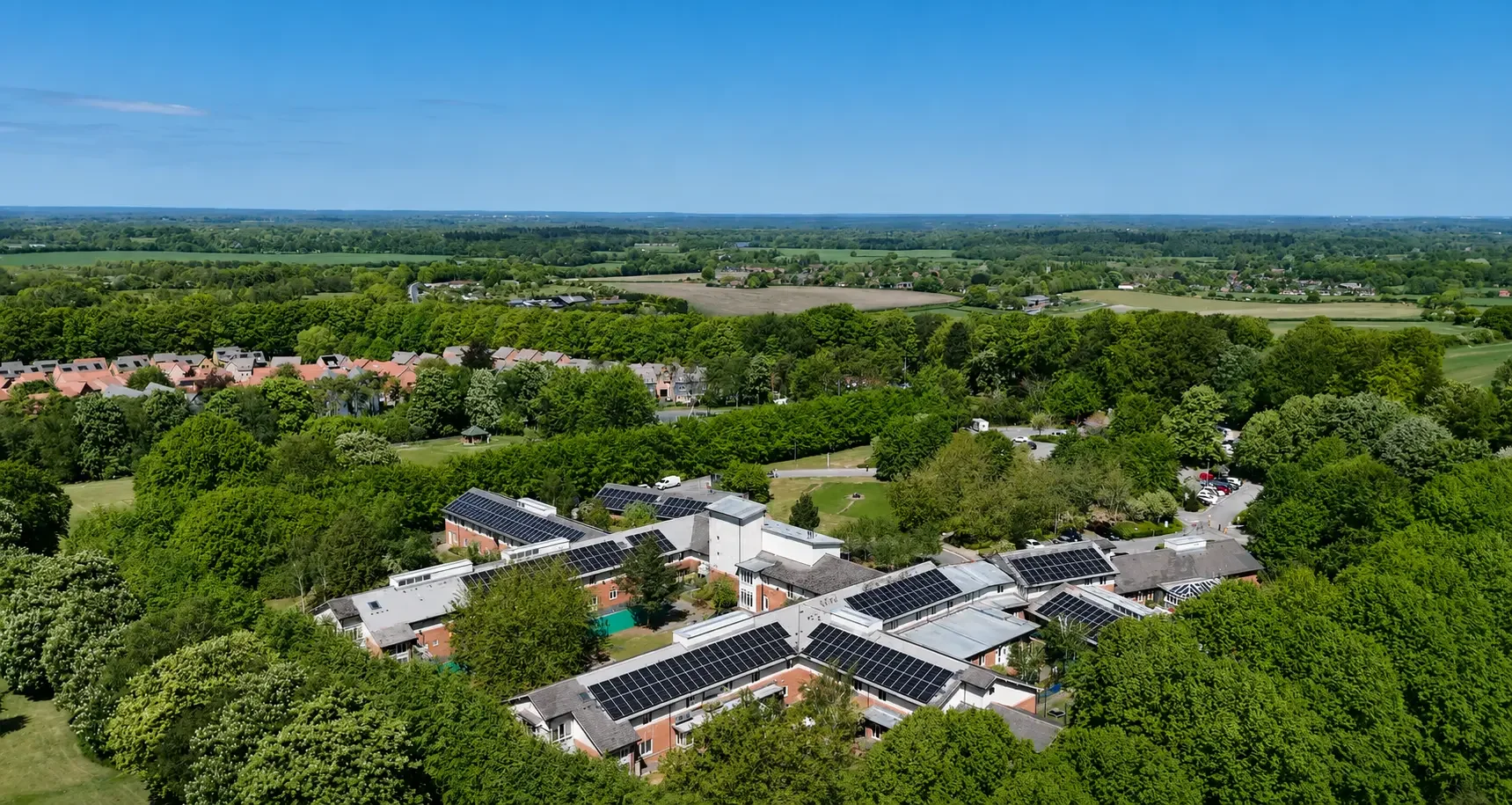
Simply put, being net zero carbon means that any carbon that is emitted must be removed. The most effective way to achieve this balance is to minimise emissions rather than offsetting, but this is very challenging. The key is to optimise the estate and use less energy by installing efficient systems and generating low carbon power, and then offset the difficult to avoid emissions.
Salvis can develop the strategy and action plan to identify the step-by-step process to becoming net zero for Scope 1, 2 & 3 emissions by calculating existing carbon emissions, analyse current performance, identifying and prioritising opportunities; and providing a long-term delivery programme, capital cost estimates, net zero trajectory and highlighting funding opportunities.
In addition to reducing your organisation's impact on the environment, a well-designed net zero delivery programme will also reduce operational costs, gain a return on investment, upgrade buildings, and improve the health and well-being of its occupants.
-
Net Zero Plans are increasingly essential to meet in house targets, regulatory requirements, manage risk, and demonstrate compliance with UK carbon reduction targets and ESG expectations.
-
A typical plan will include a baseline carbon footprint, clear targets, identified reduction measures, investment priorities, and a roadmap for delivery.
-
A Net Zero Plan looks at all emissions across an organisation including building energy usage, fleet vehicles, supply and waste water, material waste, travel to work and purchased goods and services; whereas a Heat Decarbonisation Plan focuses specifically on reducing emissions from heating systems within buildings.
-
Most organisations set targets between 2030 and 2050, depending on their estate, funding, and scale of transformation required. Many organisations opted for 2030, but are now realising the scale of what is required and that this target may not be achievable.
-
Salvis provides engineering-led Net Zero strategies, combining condition data, energy analysis, and decarbonisation planning to deliver practical, deliverable roadmaps for your estate.