
Your
Building management system
Solution
Optimising BMS efficiency is crucial; system efficiency can only be ensured when the plant and automatic controls system are optimised and operating effectively. Over time, BMS parameters can be adjusted and not reset, sensors can fall out of calibration, and field devices such as control valves can fail or not operate effectively.
Salvis offers an independent review of the BMS and mechanical systems for clients across the UK, identifying programming and hardware operational issues and inefficiencies that are often missed or ignored during routine maintenance.
BMS Audit
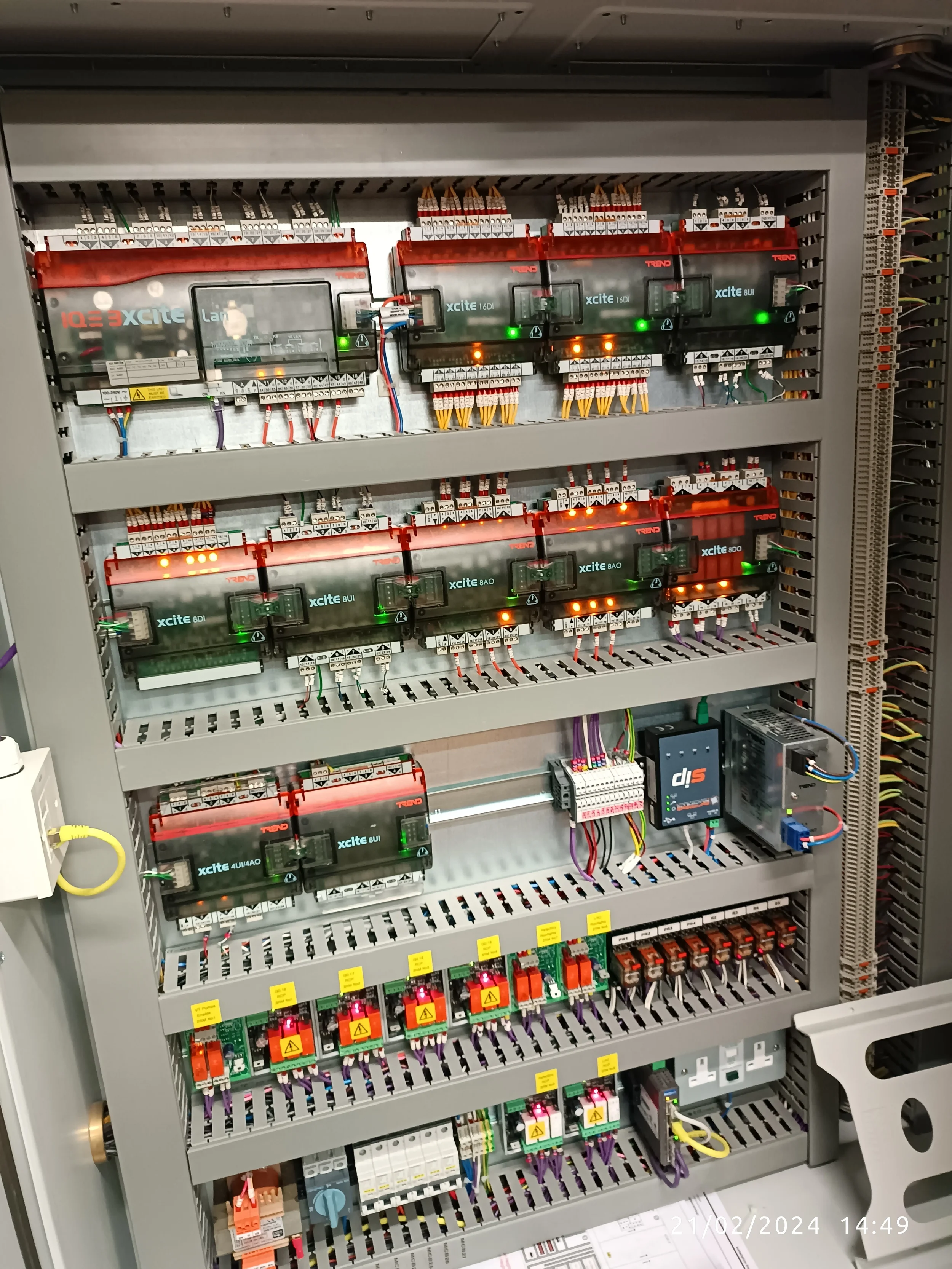
Salvis partners with controls and BMS specialists to conduct a comprehensive BMS audit of building management systems and installed systems, which include:
Site survey of BMS and building services installations
Analysis of control strategy and setpoints
Review of system alarms and safety circuits
Appraisal of plant operation
Assessment of energy-saving opportunities
Salvis partners with controls and BMS specialists to conduct a comprehensive BMS audit of building management systems and installed systems, which include:
Site survey of BMS and building services installations
Analysis of control strategy and setpoints
Review of system alarms and safety circuits
Appraisal of plant operation
Assessment of energy-saving opportunities
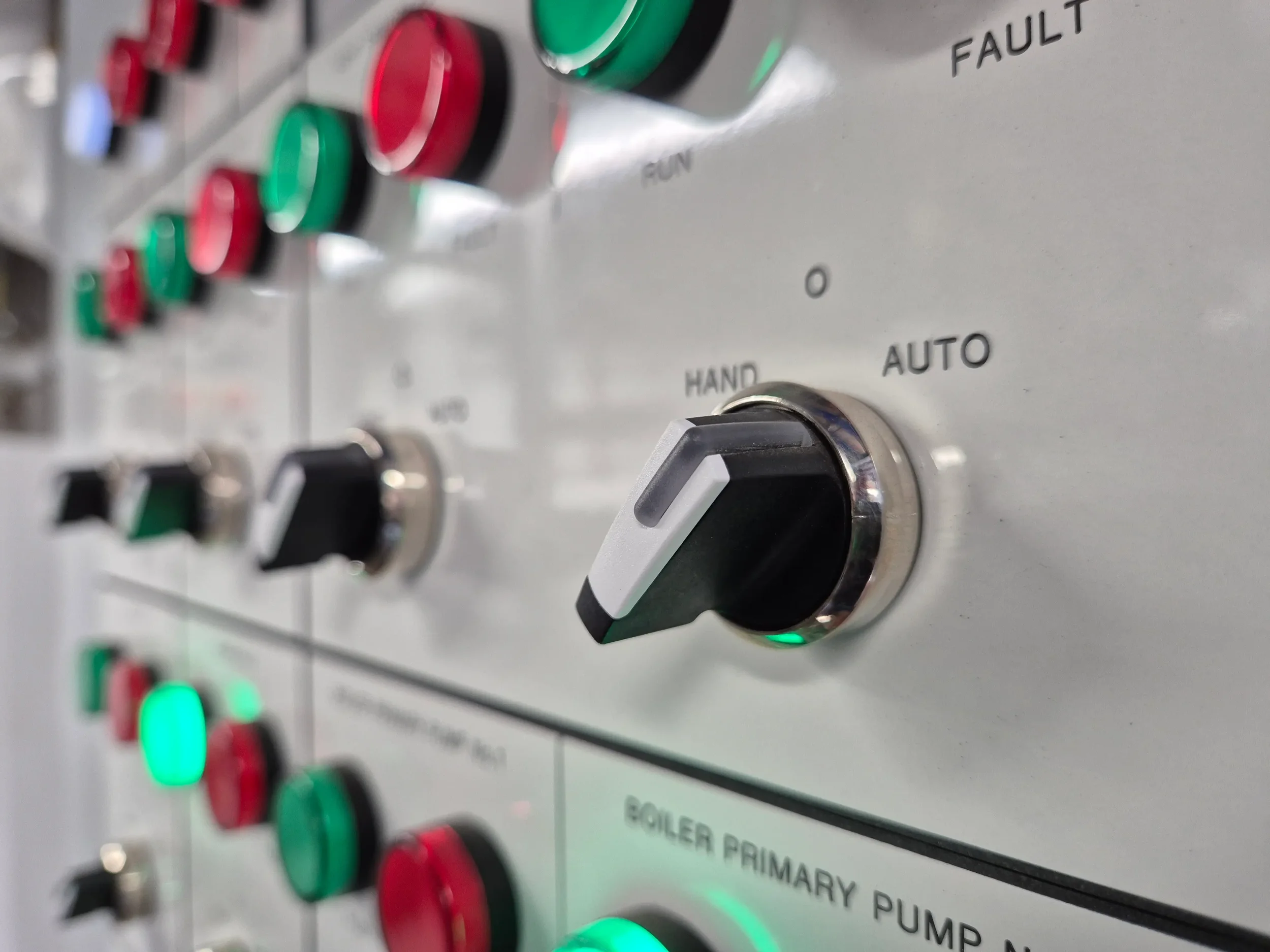
We provide an audit report that gives an overview of the installed systems, details of the system or strategy errors identified, recommendations for remedial measures, budget costs, and an indicative delivery programme.
Addressing inefficient control and then implementing recommended energy-saving and demand-driven control strategies can lead to a significant reduction in gas and electricity consumption, operational costs, and carbon emissions.
Frequently Asked Questions
-
A Building Management System (BMS) is a centralised control platform that monitors and manages a building’s mechanical and electrical systems including; HVAC, lighting, power, and security. It integrates these systems into a single interface, allowing operators to optimise performance, improve comfort, and reduce energy consumption from one place.
-
A BMS continuously collects data from sensors across the building (such as temperature, occupancy, and energy usage) and automatically adjusts systems to reduce waste, for example, lowering heating or lighting in unoccupied areas. This real-time optimisation improves efficiency, lowers utility costs, and supports better long-term maintenance by identifying faults early.