
Your
renewable energy
Solution
At Salvis, we support organisations across the UK to move from traditional energy systems to practical, cost-effective renewable energy solutions. Renewable technologies such as solar PV and heat pumps offer a clear opportunity to reduce energy costs, improve resilience, and significantly lower carbon emissions.
Successful implementation requires more than simply selecting a technology, it requires a strategic, engineering-led approach.
How We Support You
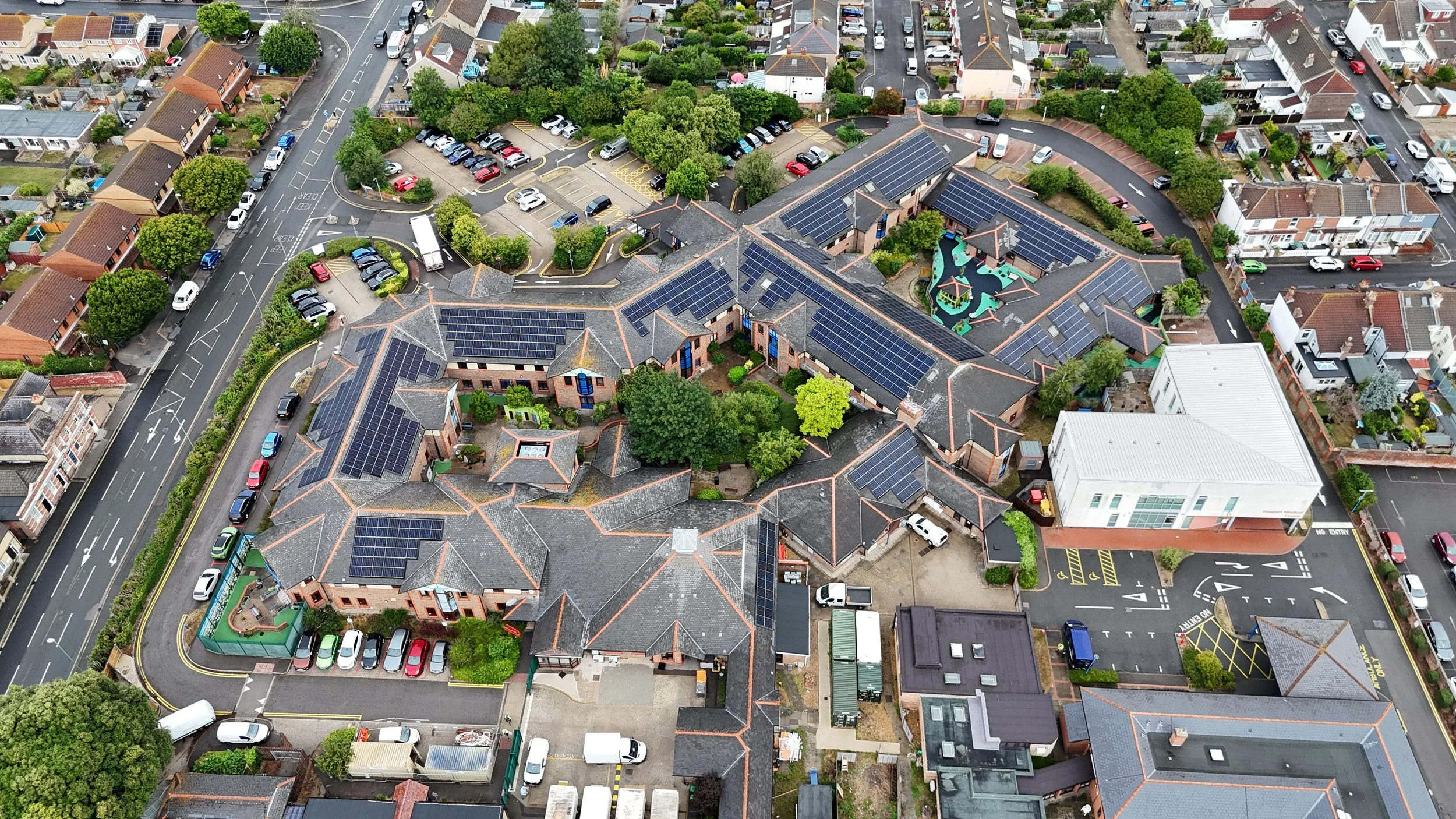
We provide end-to-end support across the renewable energy lifecycle, ensuring solutions are technically robust, commercially viable, and aligned with your wider estate strategy:
Identifying the most suitable renewable technologies based on your building, usage, and constraints.
We use software to ensure that the right size system is installed to each building ensuring that the system is optimised and cost effective.
Ensuring systems are correctly sized, integrated, and aligned with building performance requirements.
Developing clear roadmaps to transition from fossil fuels to low-carbon systems over time.
Providing independent advice through design, tendering, and implementation stages.
Ensuring systems deliver expected energy savings and operational performance post-installation.
We provide end-to-end support across the renewable energy lifecycle, ensuring solutions are technically robust, commercially viable, and aligned with your wider estate strategy:
Feasibility & Option Appraisal
Identifying the most suitable renewable technologies based on your building, usage, and constraints.
Detailed Performance Monitoring
We use software to ensure that the right size system is installed to each building ensuring that the system is optimised and cost effective.
Technical Design & Engineering Input
Ensuring systems are correctly sized, integrated, and aligned with building performance requirements.
Decarbonisation & Investment Planning
Developing clear roadmaps to transition from fossil fuels to low-carbon systems over time.
Procurement & Delivery Support
Providing independent advice through design, tendering, and implementation stages.
Performance Optimisation
Ensuring systems deliver expected energy savings and operational performance post-installation.
Why Invest in renewables
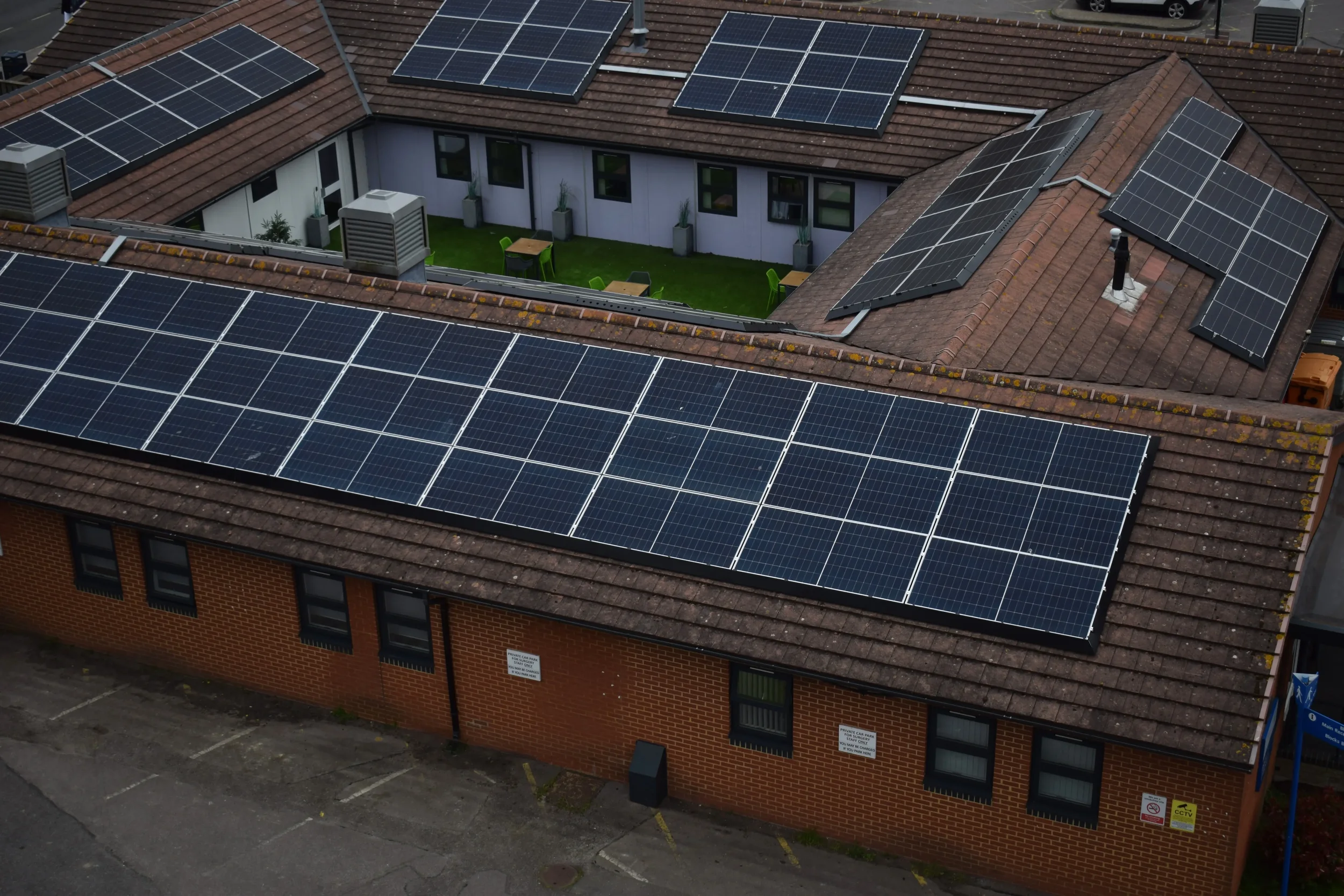
Renewable energy is no longer just an environmental choice; it is a commercial one:
On-site generation can significantly lower electricity bills and exposure to volatile energy prices.
Renewable technologies directly reduce reliance on fossil fuels and support net zero targets.
Energy-efficient, low-carbon buildings are increasingly attractive to occupiers and investors.
Integrating renewables helps ensure compliance with tightening regulations and long-term sustainability goals.
Renewable energy is no longer just an environmental choice; it is a commercial one:
Reduced Energy Costs
On-site generation can significantly lower electricity bills and exposure to volatile energy prices.
Lower Carbon Emissions
Renewable technologies directly reduce reliance on fossil fuels and support net zero targets.
Improved Asset Value & Performance
Energy-efficient, low-carbon buildings are increasingly attractive to occupiers and investors.
Future-Proofing Your Estate
Integrating renewables helps ensure compliance with tightening regulations and long-term sustainability goals.
Frequently Asked Questions
-
The most common solutions include solar PV and heat pumps (low-carbon heating), and solar thermal for hot water. These are often combined with energy storage and smart controls for improved performance
-
Yes on-site generation can reduce electricity bills and exposure to energy price volatility, with many systems delivering long-term cost savings.
-
Not always. Suitability depends on factors such as building condition, energy demand, roof space, and infrastructure. A feasibility assessment is essential to identify the best solution.