
SALVIS IS A NET ZERO COMPANY
Salvis has calculated its own carbon footprint for its known Scope 1, 2 & 3 emissions.
The carbon footprint has been undertaken in accordance with best practice guidance by the Greenhouse Gas Protocol and calculated using conversion factors for the carbon dioxide equivalent (CO₂e) published by the Department for Energy Security and Net Zero (DESNZ).
Carbon dioxide equivalent (CO₂e) is a term used to combine the seven most threatening gases that have the highest Global Warming Potential. This includes carbon dioxide, methane, nitrous oxide, hydrofluorocarbons, perfluorocarbons, sulphur hexafluoride and nitrogen trifluoride.
The reporting period is for the financial year of Salvis, which is from 1st August 2024 to 31st July 2025, and emissions are compared to the previous year.
THE CARBON FOOTPRINT IS CATEGORISED INTO SCOPES
Scope 1 → Direct Emissions
Scope 1 emissions are from activities owned or controlled by an organisation where fossil fuels are burned at the source. Examples include emissions from combustion in an organisation's owned or controlled boilers and vehicles.
Scope 2 → Indirect Emissions
Scope 2 emissions are indirect greenhouse gas emissions that occur when a company purchases and uses energy, such as electricity, steam, heating, or cooling. The emission sources occur at the facility where the energy is generated, such as a power station to generate electricity.
Scope 3 → Other Indirect Emissions
Scope 3 emissions are indirect greenhouse gas emissions that occur outside of an organisation's direct control, but that the organisation indirectly affects through its value chain. Examples include employee commuting, business travel, disposing of the organisation's own waste and purchased goods in the supply chain.
CARBON FOOTPRINT
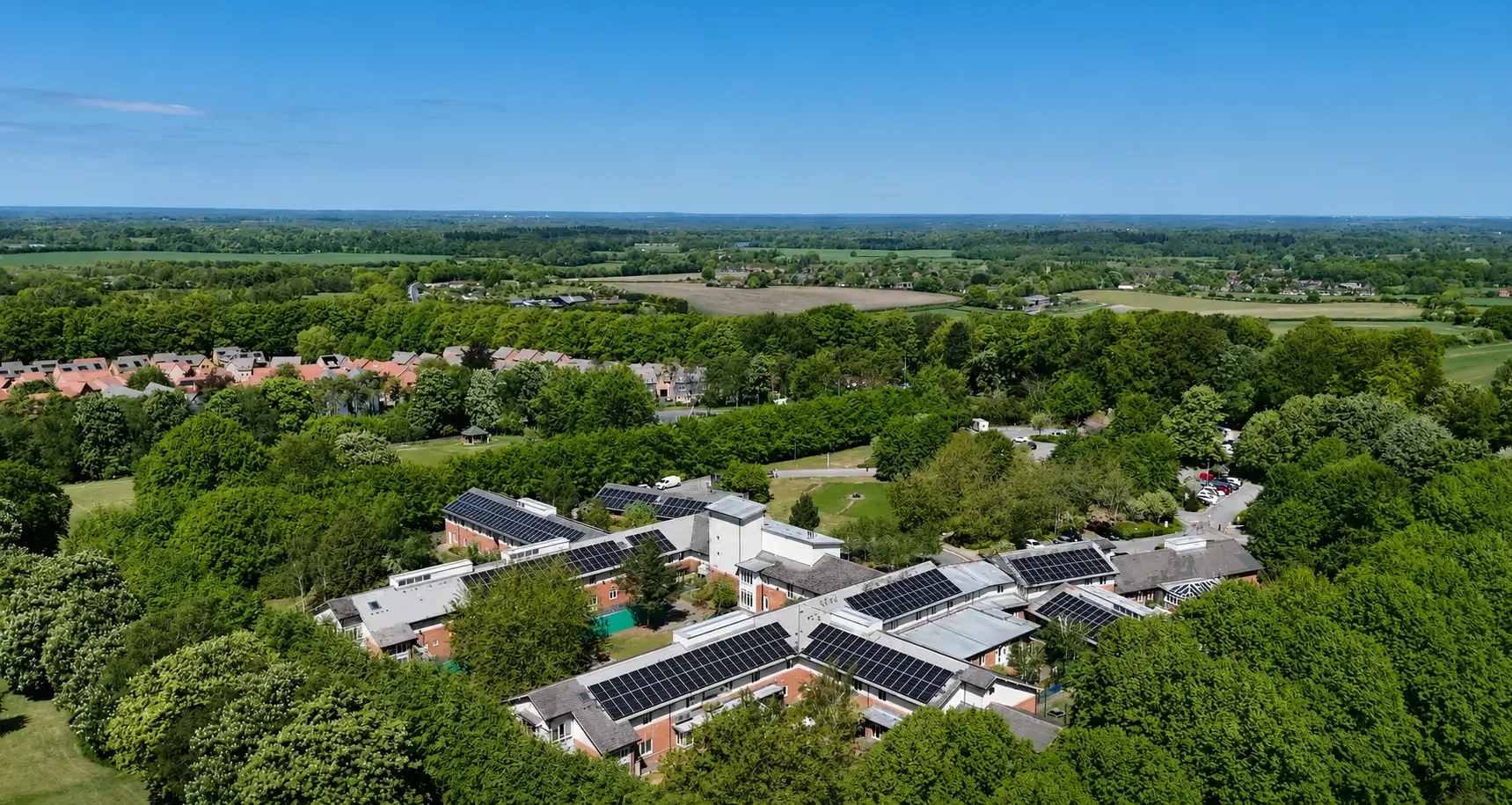
Organisational boundaries determine what emissions are Salvis's responsibility or that of others. This can be based on who owns, operates, or exerts control over certain assets. The Salvis office space is rented, and the landlord has overall financial control over the maintenance of the building and how to purchase the building's electricity.
The energy usage for the office space is therefore associated with Scope 3. In this reporting period, Salvis has decided to focus on the core emissions that make up the bulk of its emissions from data sets we are able to access. Over subsequent years, Salvis will plan to record more Scope 3 emissions, including office waste, water and employee travel to work.
The supply chain for purchased goods and services is difficult to measure for a small company, but policies will be put in place to measure this in the future.
However, the Salvis supply chain is minimal as office purchases are small, furniture is second-hand, and Salvis has a no-print policy. Salvis will set up procedures to record all emission sources related to its operations for future reporting, and it is likely that the overall emissions will increase as the data quality improves.
CARBON EMISSIONS FOR 2022–2025
The table below shows a summary of the carbon emissions between 1st August 2024 and 31st July 2025.
| Emission Source | 2023/24 | 2024/25 | Rationale |
|---|---|---|---|
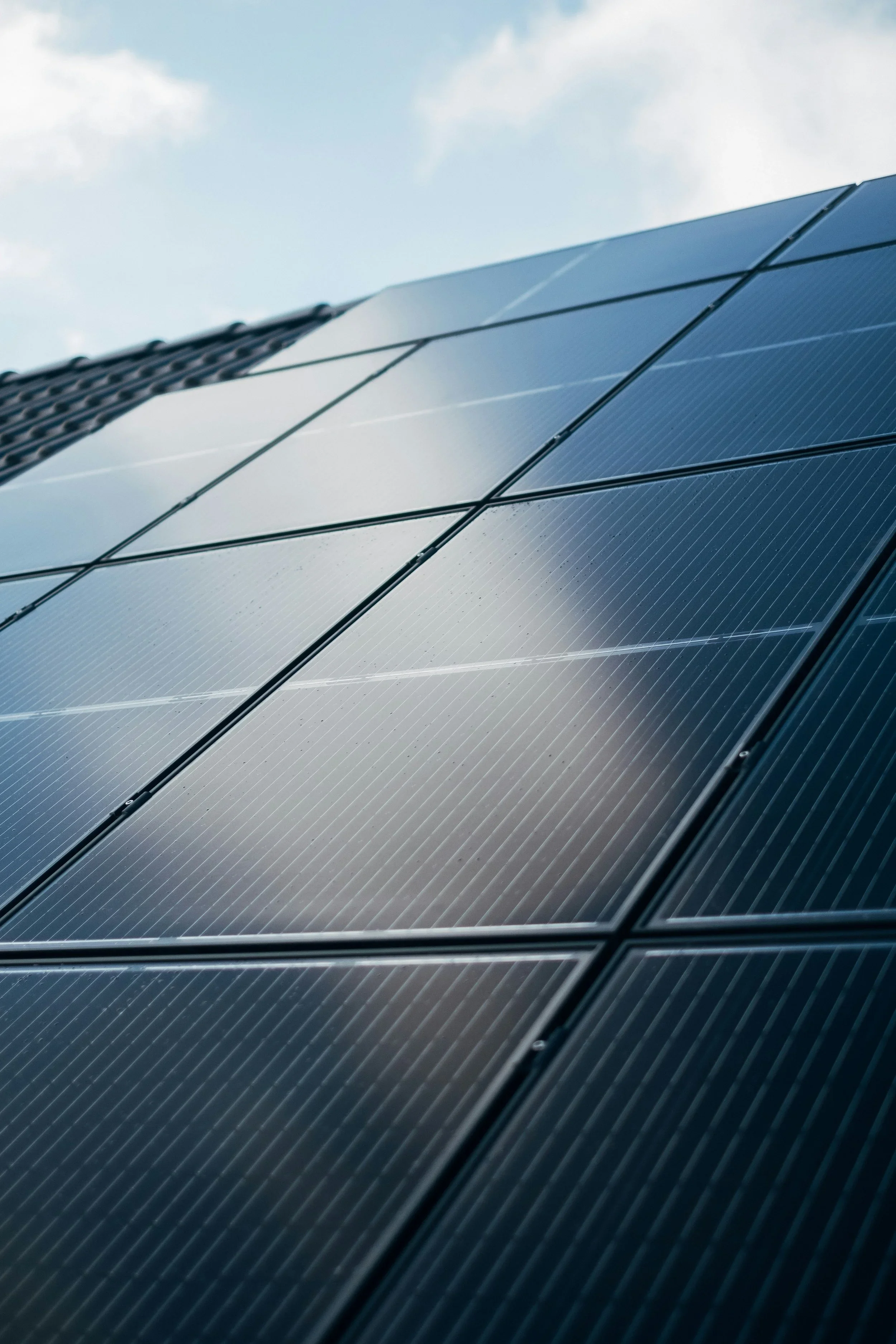
| Scope 3 — Electricity for leased office space | 0 tCO₂e | 0 tCO₂e | The Salvis office is fully electric with no fossil fuels, heated and cooled by heat pumps. In 2022 new LED lighting was installed and the landlord gained funding to insulate walls, replace glazing, install a new roof with improved insulation and install 50kWp solar PV. Net generation exceeds office usage so net emissions are zero. |
| Scope 3 — Business travel in staff cars | 1.3 tCO₂e | 2.6 tCO₂e | These emissions are from business-related travel from vehicles owned by staff. |
| Scope 3 — Business travel via flights | 0.4 tCO₂e | 0.5 tCO₂e | The company Directors were invited to speak at an event in Glasgow and these emissions are for the flights. |
| Scope 3 — Electricity for company leased vehicles | 0 tCO₂e | 0 tCO₂e | Salvis leases two company electric vehicles which are predominantly charged at the office and benefit from electricity generated by the solar panels. |
| Total Emissions | 1.7 tCO₂e | 3.1 tCO₂e |
CARBON EMISSIONS FOR 2022–2025
Summary of carbon emissions between 1st August 2024 and 31st July 2025.
→ Electricity for leased office space
Fully electric office with heat pumps and 50kWp solar PV. Net generation exceeds usage.
→ Business travel in staff cars
Business-related travel from vehicles owned by staff.
→ Business travel via flights
Directors invited to speak at an event in Glasgow.
→ Electricity for company leased vehicles
Two company EVs charged at the office via solar panels.
Total
NET ZERO
Salvis' carbon emissions are calculated as being 3.1 tCO₂e. Salvis has offset more than double this amount through the Verified Carbon Standard (VCS), a standard for certifying carbon credits to ensure emission reductions and carbon offsetting.
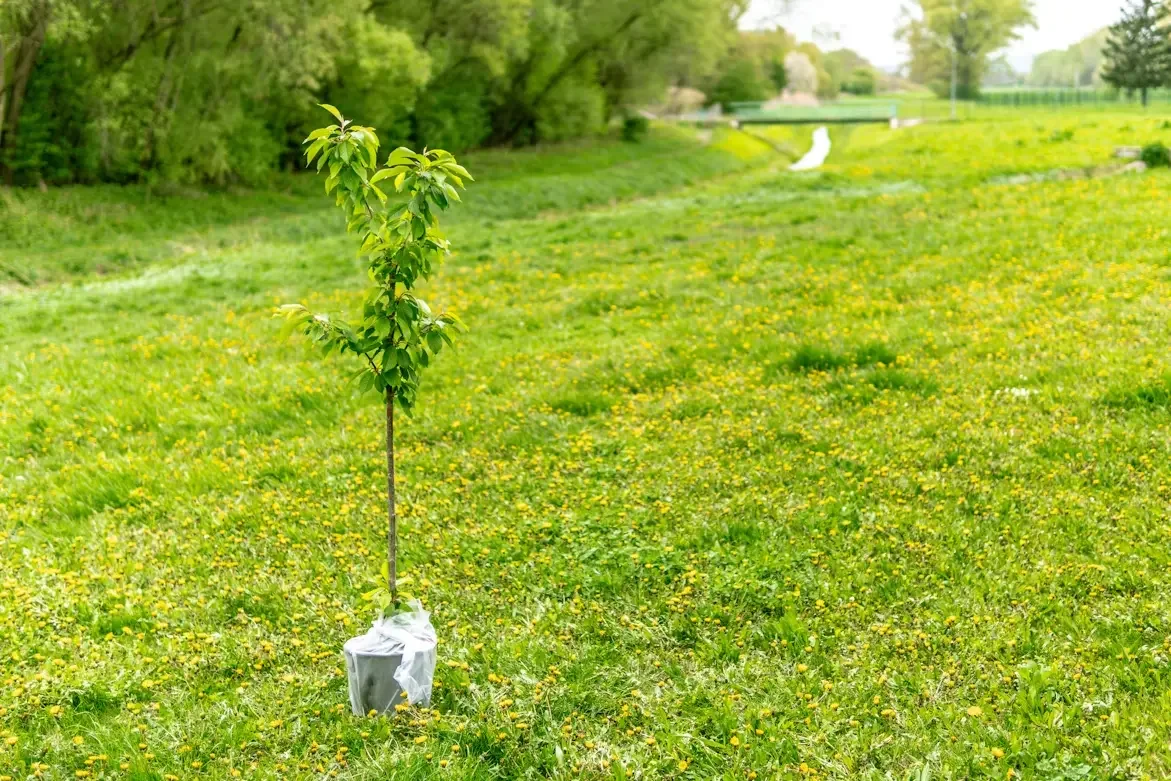
In addition, for each tCO₂e offset, an additional tCO₂e is offset through a Tree Buddying scheme, which involves the planting of trees in the southeast of England. The trees are planted at school sites, helping educate children and support wildlife habitats whilst sequestering carbon emissions.