
Southampton General & Princess Anne
NHS Healthcare
Public Sector Heat Decarbonisation Fund.
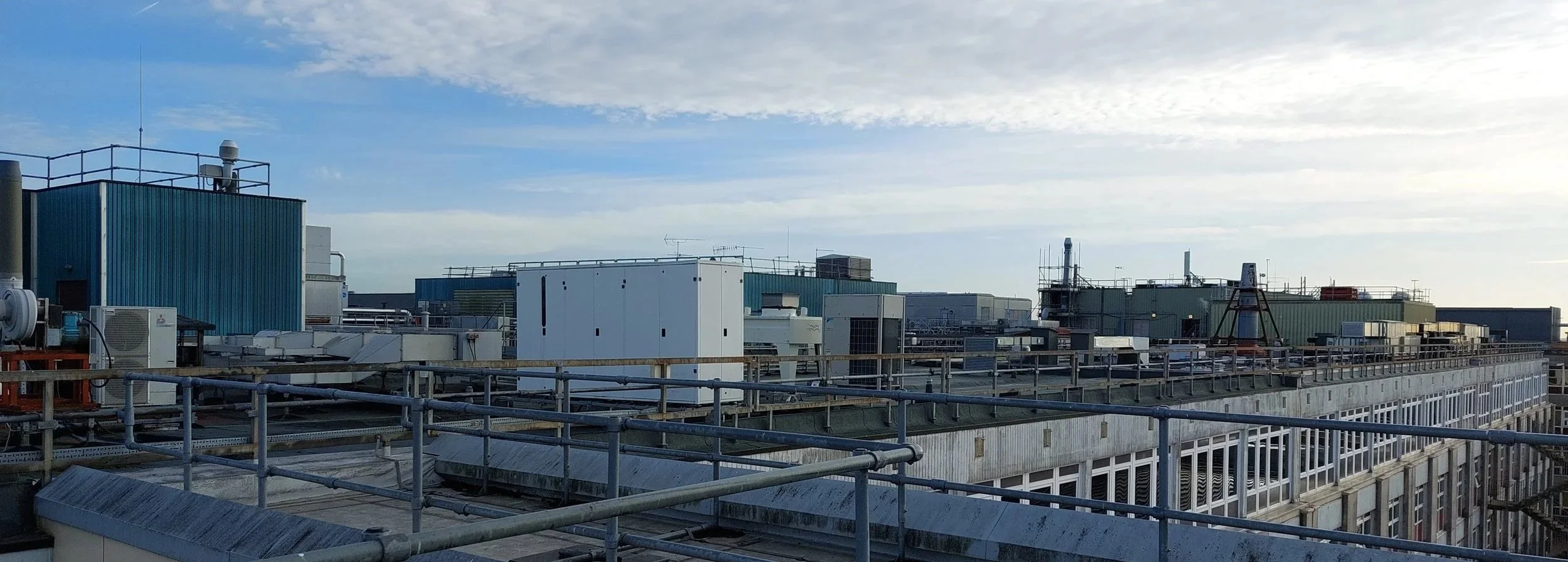
Southampton General Hospital and Princess Anne Hospital consist of multiple large buildings ranging from the 1970s to modern facilities. Facing ageing infrastructure and high energy demand, the NHS Trust commissioned Salvis to develop a full Heat Decarbonisation Plan to cut carbon emissions and transform the estate's energy performance.
The Solution:
Across an eight‑phase programme, Salvis proposed:
These interventions transition the hospitals away from gas-based boilers and CHPs toward fully electric, low‑carbon heating.
Frequently Asked Questions
-
A Heat Decarbonisation Plan is an engineering-led strategy that maps out how a building or estate can transition from fossil fuel heating to low-carbon alternatives. Southampton General and Princess Anne Hospital have multiple large buildings dating back to the 1970s with ageing infrastructure and high energy demand. The Trust needed a clear, evidence-based plan to understand what changes were required across the estate, how to phase the work, and what it would cost, so they could apply for government funding to deliver it.
-
Yes. Most public sector funding schemes, including the Public Sector Decarbonisation Scheme, require a robust technical plan before they will consider an application. A well-prepared HDP provides the energy modelling, carbon projections, and cost breakdowns that funding bodies need to see. Without one, it is very difficult to put together a competitive application.
-
It depends on the size and complexity of the estate. For a single building, a Heat Decarbonisation Plan can be completed in a matter of weeks. For a large multi-building estate like this, the planning stage takes longer because each building needs individual assessment. The delivery of the physical works is then typically phased over several years to minimise disruption and align with available funding.